

Insights from 355 seasonal berry pickers in Finland’s berry-picking camps
As one of Europe’s largest berry suppliers, Polarica aims to lead globally in sustainable practices across its value chain. Transparent sourcing and responsible labour practices are not just items on our roadmap – they are the core of how we operate.
Seasonal berry pickers are the heart of Nordic wild berry sourcing, and their well-being and rights are central to our operations. To ensure we effectively support the people who make the harvest possible, we rely on independent data to monitor progress, spot gaps, and improve support for berry pickers.
An independent anonymous survey of 355 berry pickers across four camps in summer 2025 shows mostly positive results. We continue to address areas for improvement as part of our work to advance sustainability and human rights in the industry.
Preface: How the data was collected
To ensure objectivity, this analysis relies on an independent survey conducted entirely by one of our key customers, a leading grocery retailer in Finland. They gathered feedback from 355 Thai berry pickers across four camps, with no involvement from Polarica in the design or administration of the questionnaire.
The process was fully anonymous and conducted in the pickers’ own language – using both text and audio – to capture authentic responses. As we only access the aggregated results, these findings provide an unvarnished view of the pickers’ experiences, supporting the transparency goals of our 2022–2026 Sustainability Strategy.
1. Who are the people behind Finland's berry harvest?
Finland’s berry harvest relies on seasonal workers from Thailand, many with previous experience in the country. Most are men in mid-career, supporting families back home, often as the main income earner.
The survey shows they are generally mature, experienced, and family-oriented. Two-thirds reported no financial pressure to work in Finland, while 29% felt some and 3% significant pressure. Most have completed secondary education, and some hold university degrees.
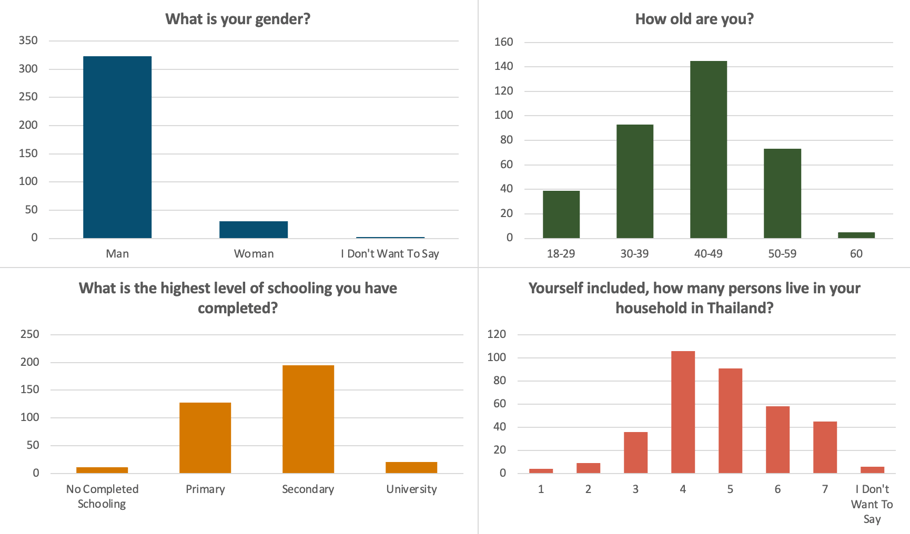
Chart: Age distribution, gender distribution, and household size. The data shows an average age of 41.9 years and a predominantly male workforce.
This demographic context is important to understanding later results.
2. Getting to Finland: preparation, costs and rights
Travel from Thailand to Finland involves significant costs. On average, berry pickers spent about €1,297 – a weighted average based on survey ranges – on flights, visas, and fees, with some taking on debt.
Polarica follows updated 2025 legislation and applies a partial Employer Pays Principle (EPP), covering 15% of travel costs. Pickers could either pay upfront or use an employer-assisted model with deductions from earnings; most chose the latter.
A strong majority of pickers said that the travel costs were worth it when compared to their seasonal earnings. Payroll records also confirmed that no pickers remained in debt after their work season (more details about earnings in the next section).
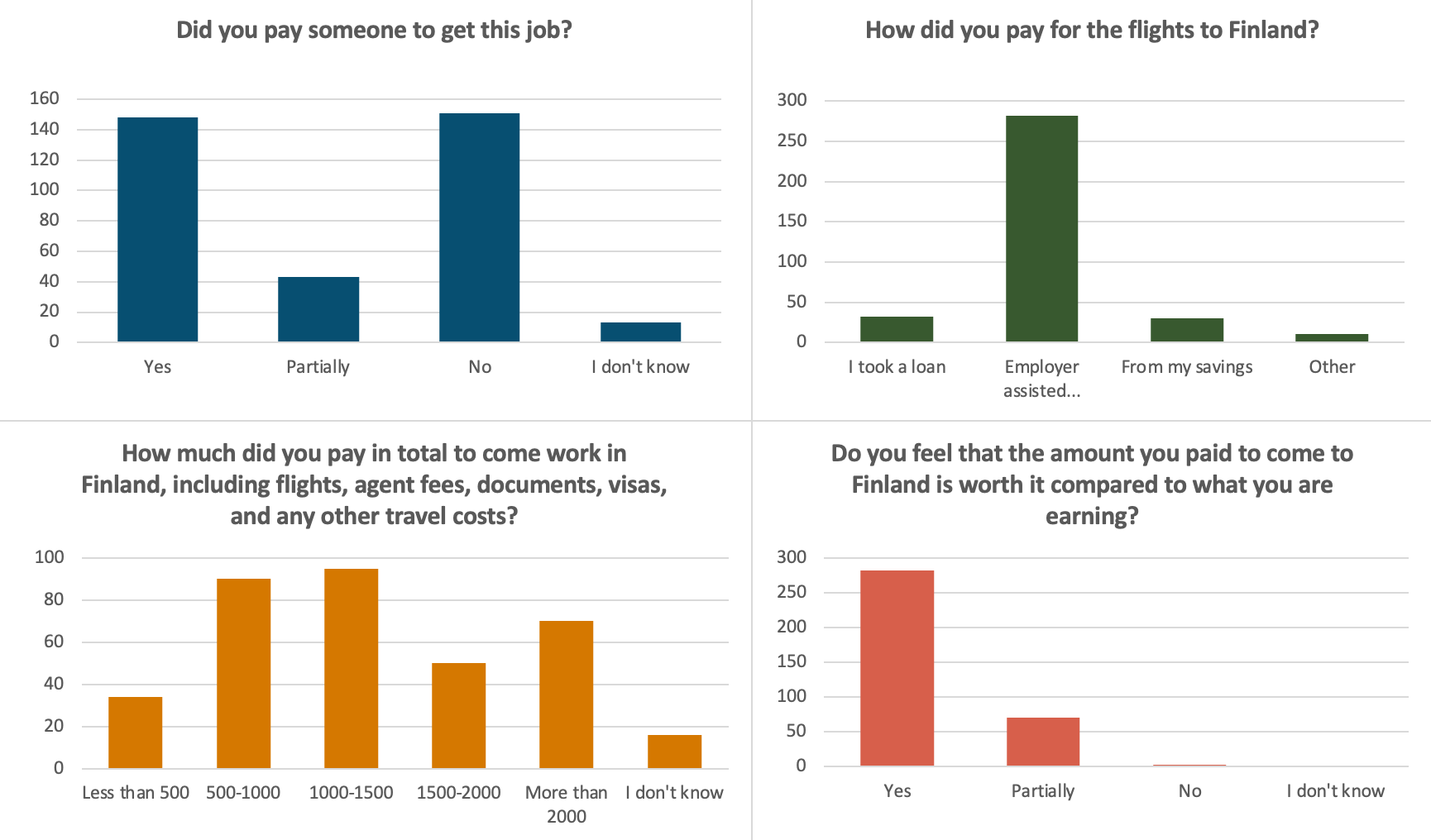
Chart: Survey results on costs and recruitment: The data shows that while upfront costs vary, the vast majority confirmed that the cost was justified by their earnings.
The survey also specifically asked whether pickers paid someone to get the job. Finnish law prohibits recruitment fees, and the reported payments likely reflect flight cost contributions under our partial Employer Pays Principle, not illicit recruitment fees. Polarica was present at recruitment events in Thailand to ensure compliance, and preventing recruitment fees remains a priority.
Future surveys will clarify this question to avoid ambiguity.
Rights awareness also proved exceptionally high. The survey revealed that most pickers knew their rights even before leaving Thailand, arriving in Finland well-prepared for the season.
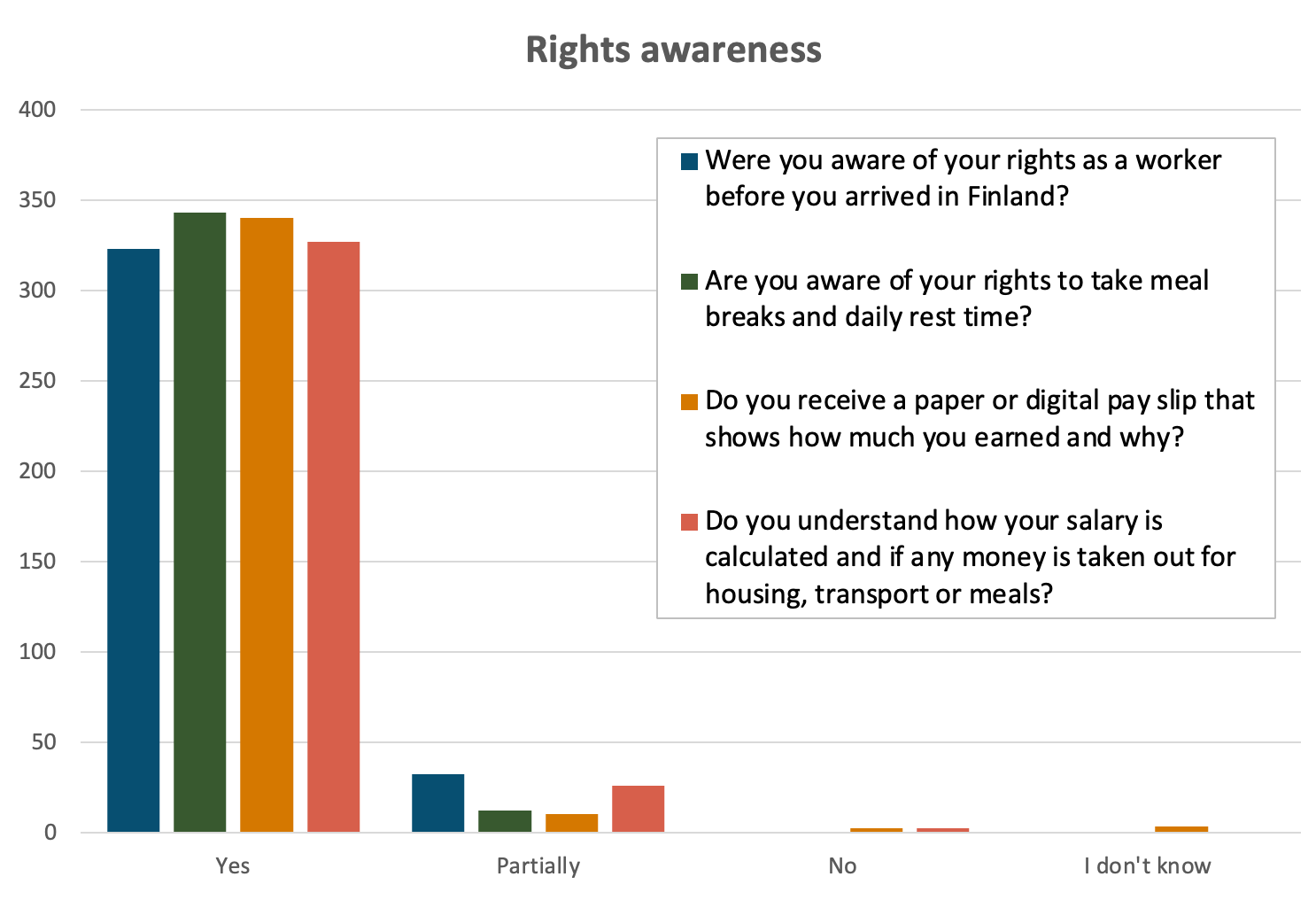
Chart: 95.8% confirmed receiving a regular payslip, and 95.7% understood how their salary was calculated.
This transparency extended to daily operations, with nearly all respondents confirming they received proper contracts and payslips. These results validate our training efforts with recruitment partners and reinforce the human rights due diligence central to our strategy.
3. Workdays and earnings
The survey data indicate a well-defined daily routine. Most respondents reported a consistent schedule of approximately eight hours, with clearly defined start and finish times.
However, as the work is carried out autonomously in the forest, measuring actual working hours is challenging and is therefore based on reporting done by the pickers themselves. This requires trust, accuracy and consistency. Work hour reporting has been identified as a key area for development to ensure transparency regarding actual working hours and voluntary overtime. Additional training is required.
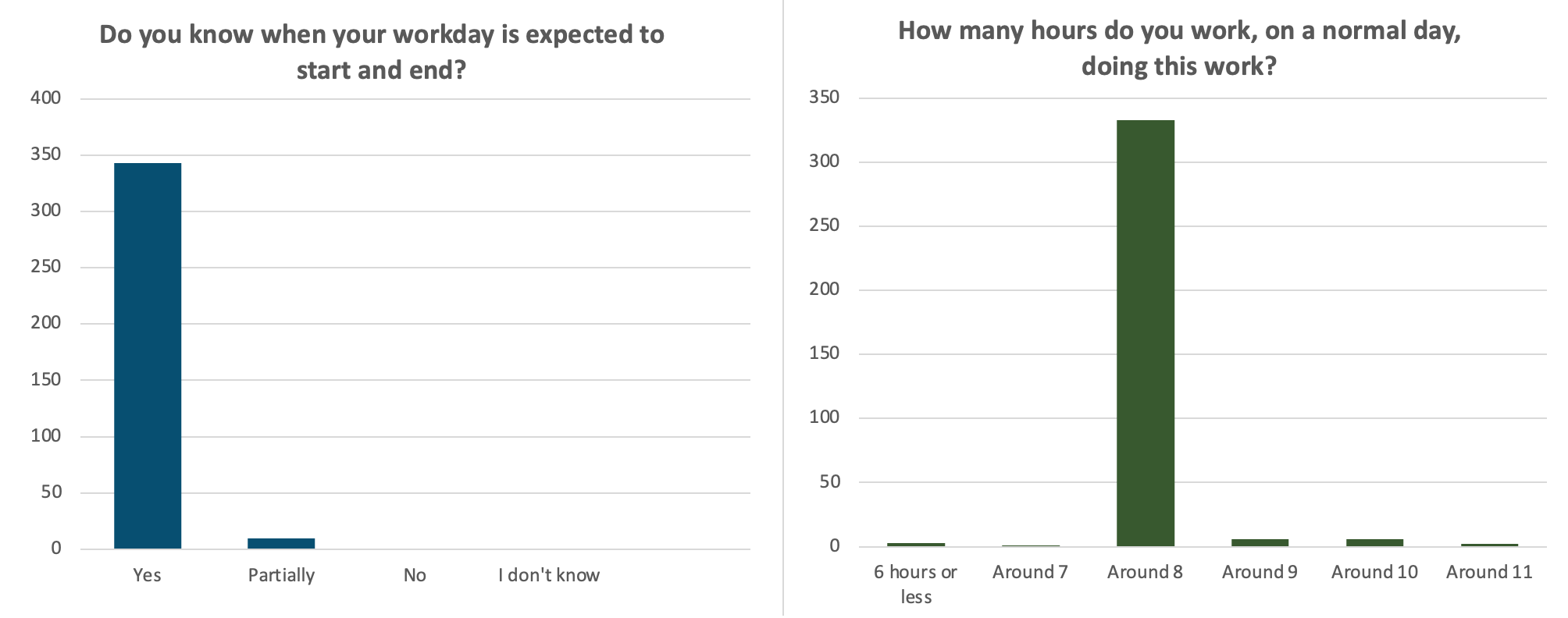
Chart: Nearly all berry pickers know their daily schedule and report a normal workday of around eight hours.
Financially, the season was productive. After accounting for all deductions (taxes, travel costs, accommodation, food, etc.), payroll records showed average net earnings of €5,700 for the full berry season. Most pickers felt that this amount was fair and consistent with their efforts.
The graph below illustrates the pickers' average monthly earnings. When comparing these figures to the total earnings mentioned above, it is important to note that the survey was conducted before the season concluded. Consequently, at the time of the survey, the pickers had not yet received all statutory supplements (such as holiday compensation), which were paid in their final salary.
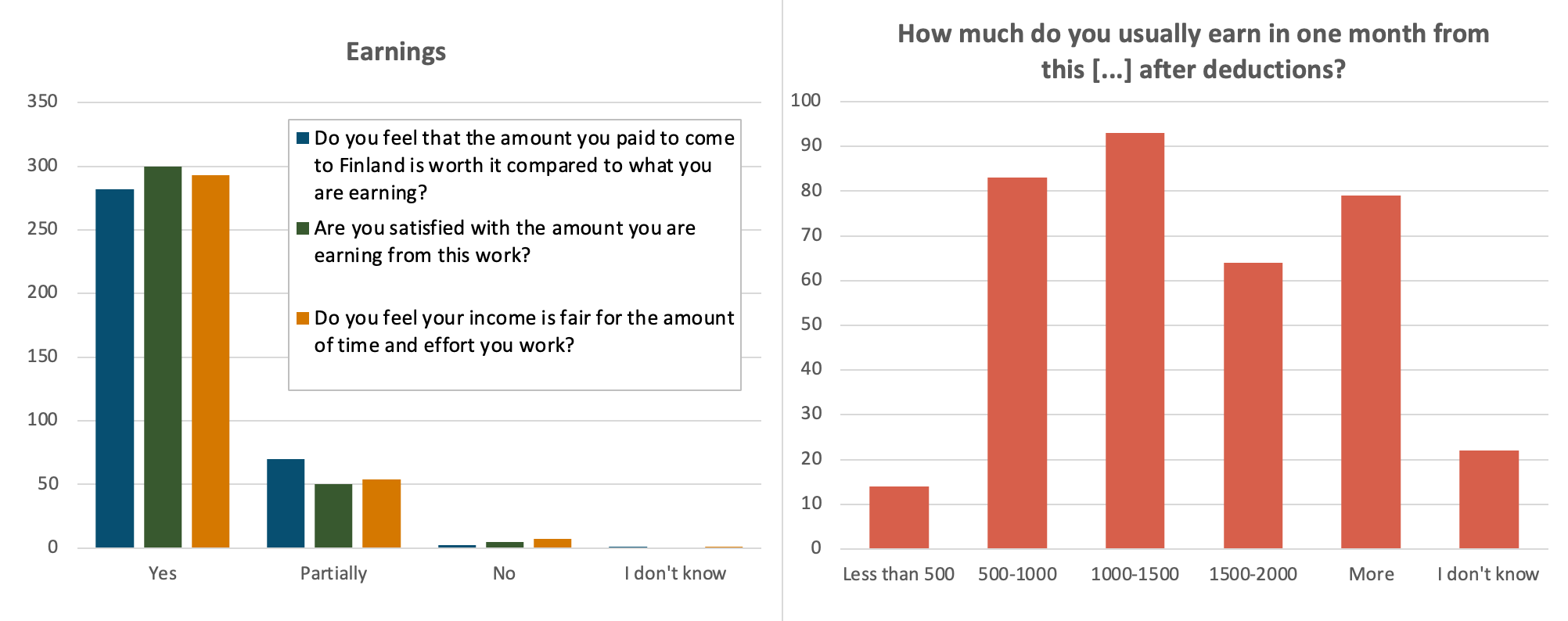
Chart: Nearly four out of five pickers say the earnings were worth the initial cost of travel.
These findings help Polarica evaluate the effectiveness of measures such as minimum income compliance and partial travel-cost compensation introduced under the Employer Pays Principle (EPP) model. More details about this can be found in our Sustainability Report.
4. Safety, well-being, and personal autonomy
Working in the forest carries natural risks, yet pickers reported feeling safe and well-prepared. Safety training and support systems appear to function well, ensuring workers know exactly where to turn if they become injured or ill.
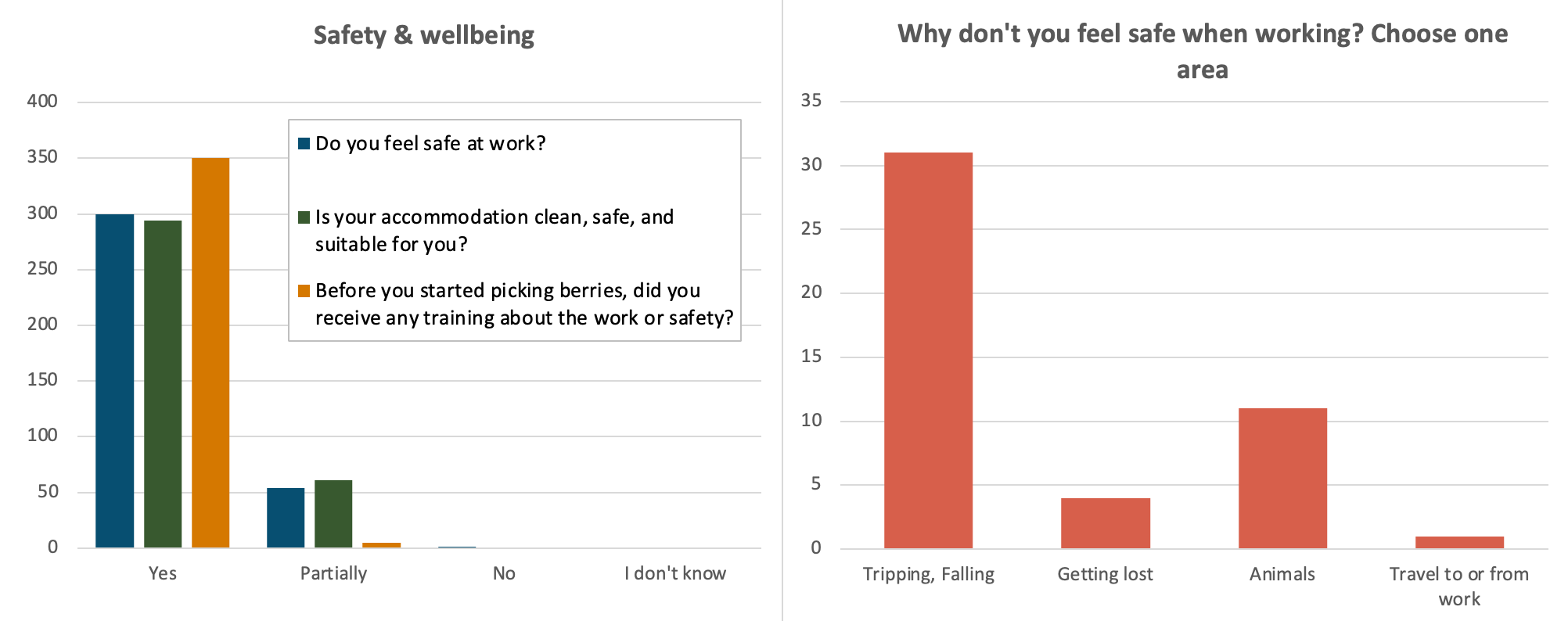
Chart: 84.5% of berry pickers say they feel safe at work.
One of the most critical findings concerns personal autonomy. Nearly all berry pickers confirmed they retain control of their passports and personal documents – a vital indicator of ethical working conditions and a key focus area for Polarica.
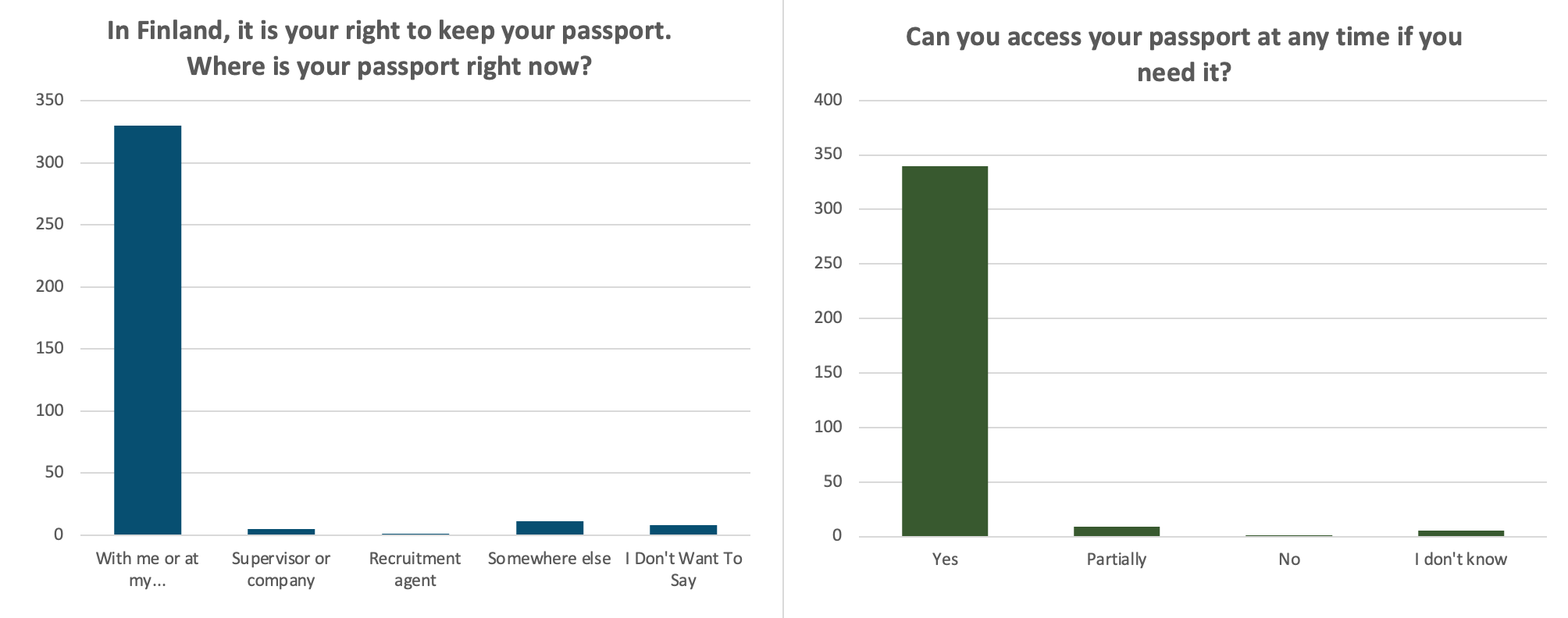
Chart: 95.1% of berry pickers keep their passport with them or in their accommodation, and almost all have access to it at any time.
This level of autonomy compares favourably with global standards and reflects the work initiated by our 2022 Human Rights Impact Assessment (HRIA). To maintain this standard, we are currently conducting a new comprehensive HRIA – in line with our three-year cycle – to ensure our practices remain robust and transparent.
5. Camp life: housing, food, and relationships
Beyond the forest, camp life is pivotal to the picker experience. Most respondents described their accommodation as clean, safe, and suitable, reporting positive interactions within the camp community.
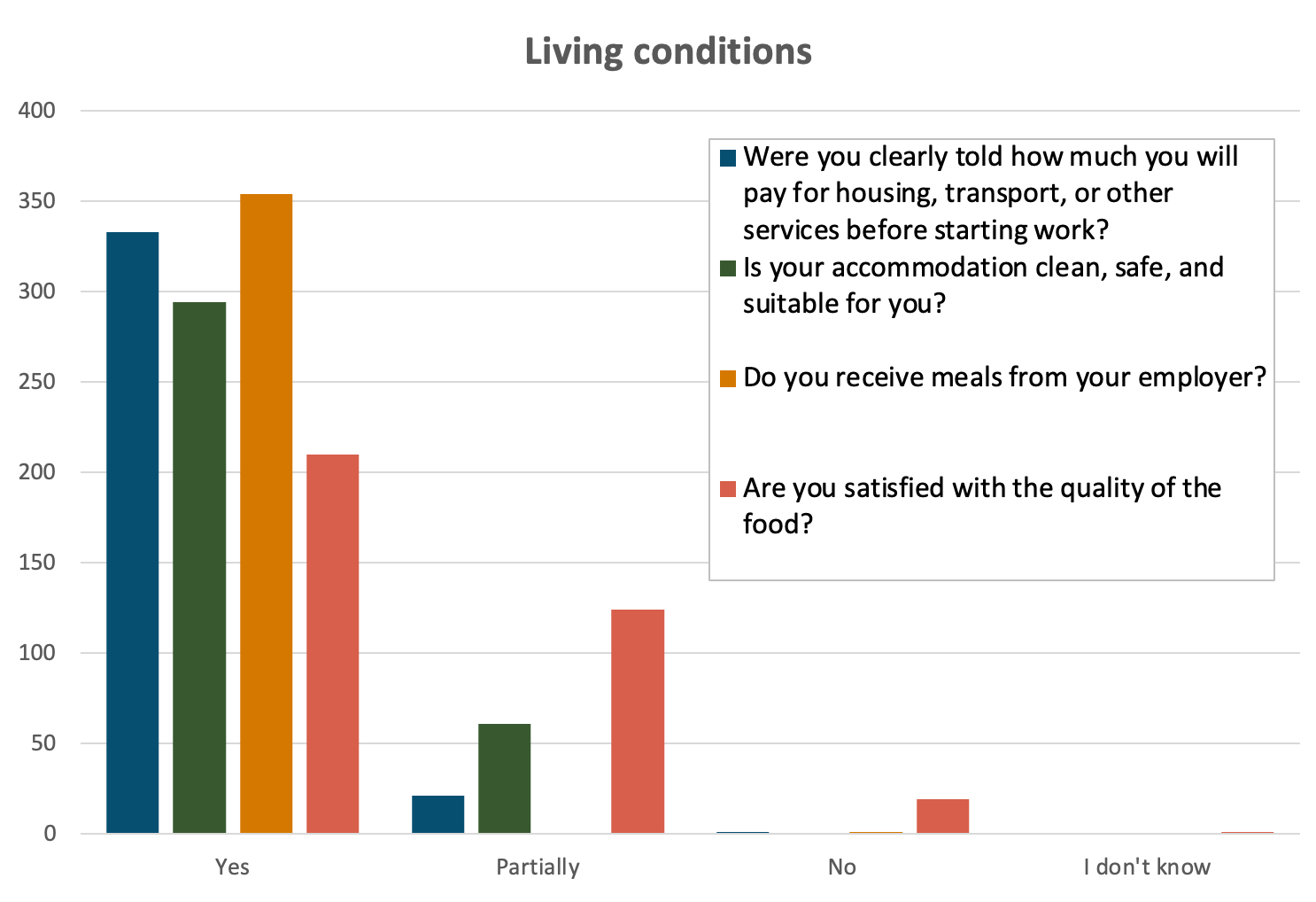
Chart: Most berry pickers reported clear information about housing and services, safe accommodation and regular meals, though satisfaction with food was notably lower.
Food quality, however, sparked debate. Nearly 40% of respondents were only partially satisfied – a finding that contrasts with our own internal data.
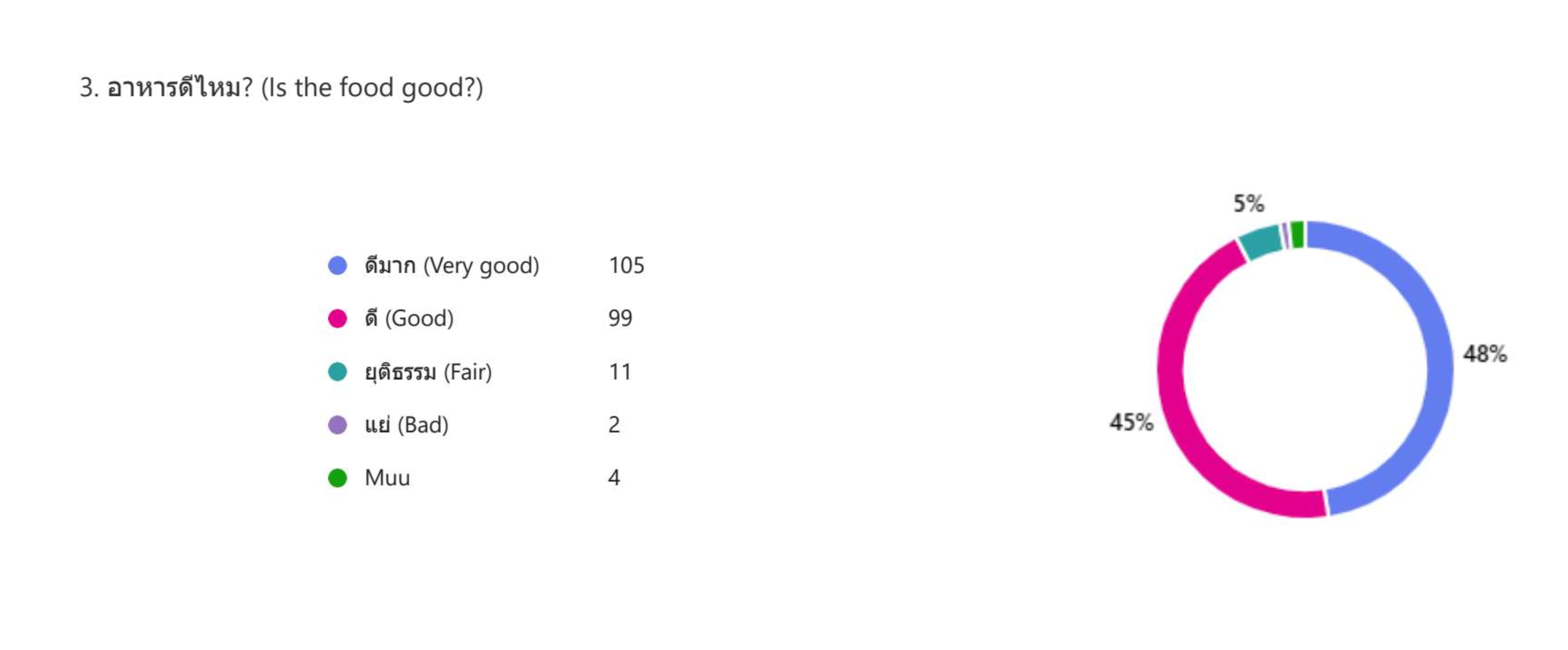
Chart: Polarica’s own berry picker survey from 2025 phrased the topic around food differently than the main survey covered in this article. Here 92% stated that their food was very good or good.
In our internal survey, 92% rated the food as good or very good. The discrepancy appears to be cultural rather than qualitative: open feedback revealed a strong wish for menus closer to the pickers’ own culinary traditions. We see this as valuable guidance for improving daily comfort.
Socially, the environment was generally respectful. Most pickers reported strong relationships with colleagues and supervisors, though a small minority felt hesitant to speak up.
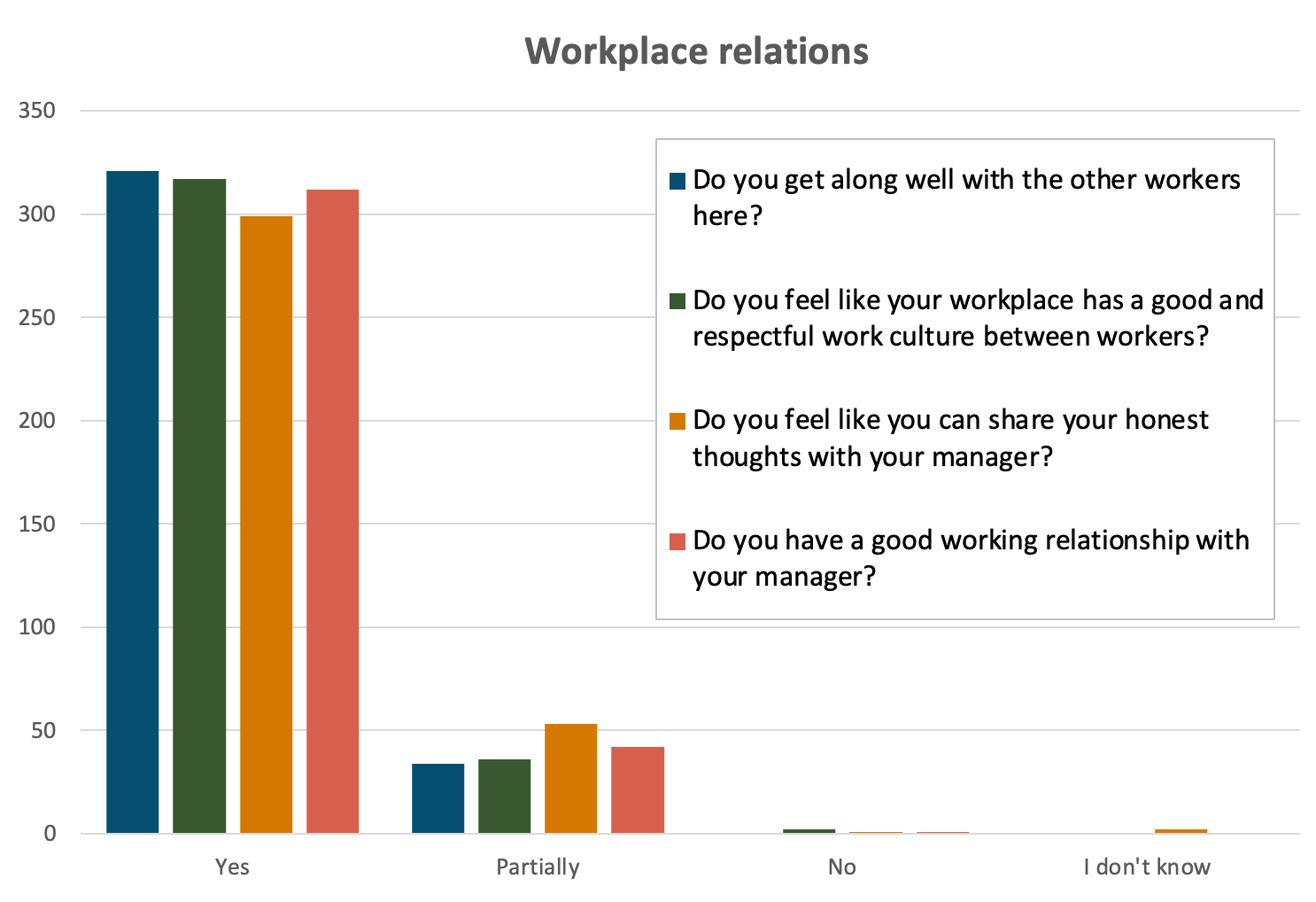
Chart: Most berry pickers reported strong relationships with colleagues and managers, though a smaller group felt only partially comfortable sharing their honest thoughts.
While the strong relationships between colleagues and supervisors are a testament to a positive camp culture, we take note of the feedback regarding open communication.
6. Workplace culture and management
Respondents described a healthy, respectful environment where people get along well and feel treated equally. These findings align closely with Polarica’s focus on responsible recruitment, though it is important to note that the results largely reflect the experiences of a predominantly male workforce.
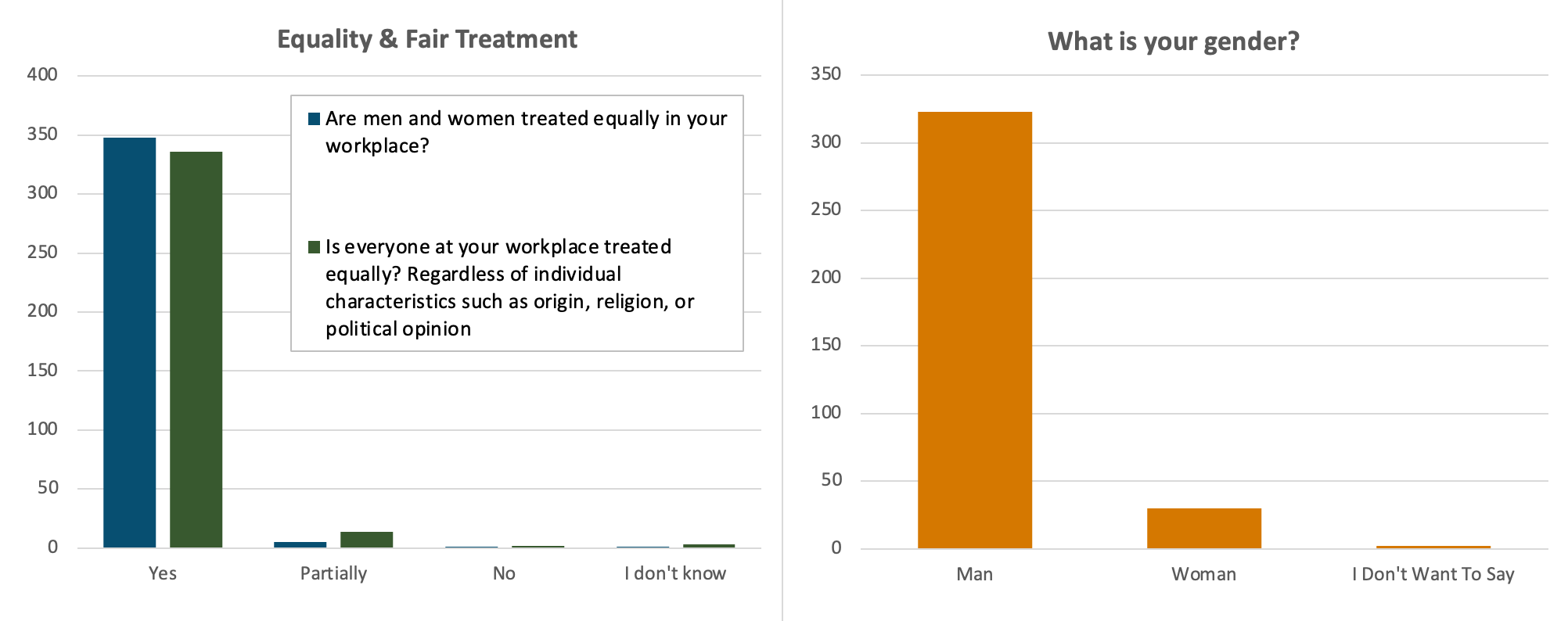
Chart: Perceptions of equality and fair treatment alongside the gender distribution of respondents.
Most pickers knew clearly whom to turn to if issues arose, and a strong majority felt comfortable sharing honest thoughts with their manager. However, a smaller cohort reported only partial confidence in speaking up.
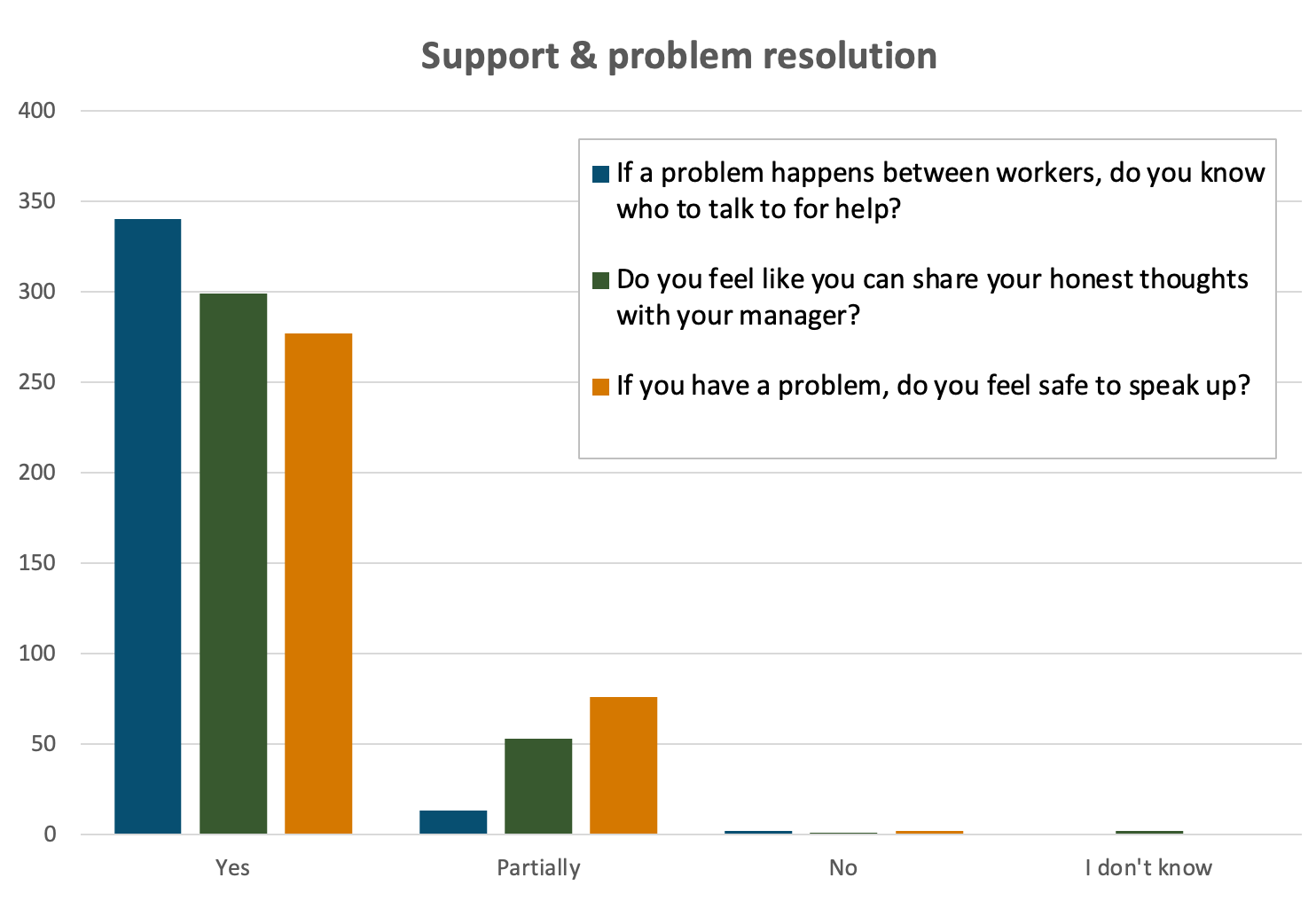
Chart: Survey results regarding support availability, management communication, and psychological safety.
We view this as a clear signal to further develop our communication practices and proactive guidance – areas already prioritised in our ongoing training with recruitment partners.
Conclusion: What the 2025 results tell us
Overall, the survey depicts a stable environment where pickers feel safe, informed, and financially rewarded. Yet, the ultimate test of our model lies in one simple question: would they choose to return?
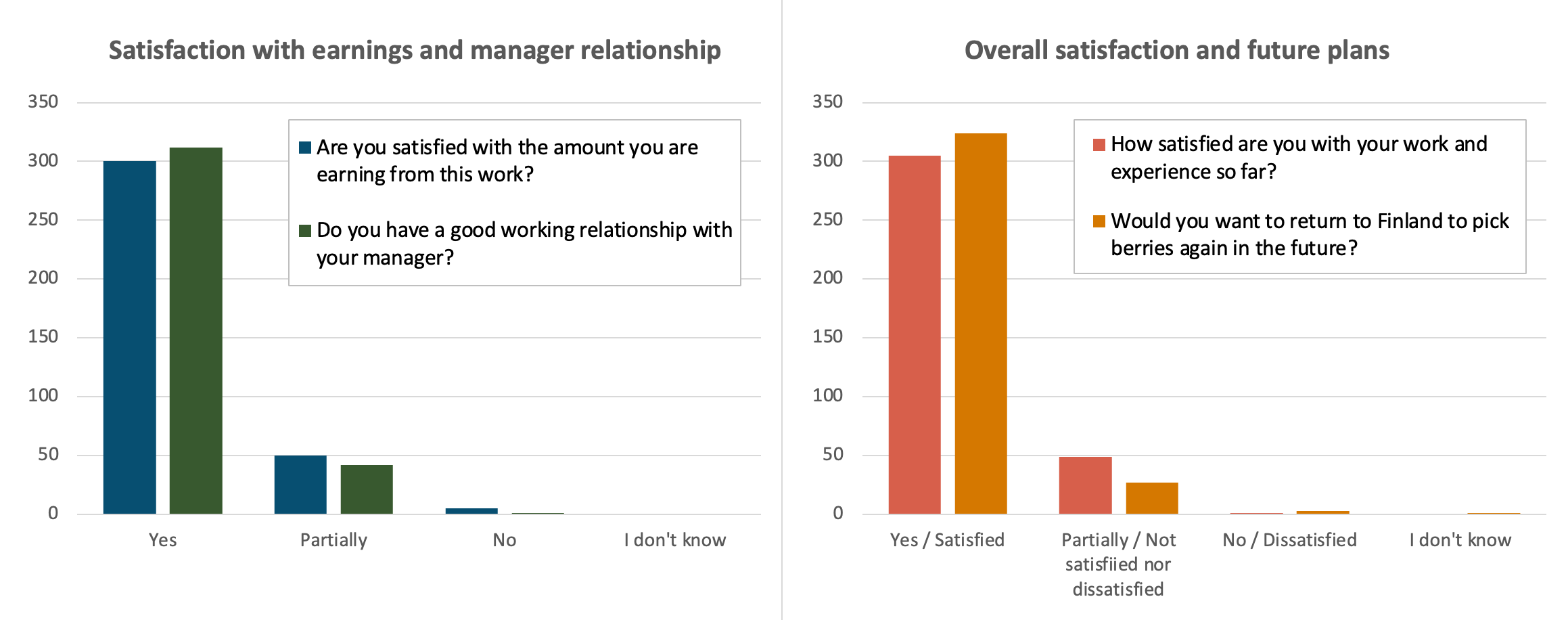
Chart: Most berry pickers reported being satisfied with their earnings and their relationship with their manager, and a vast majority would consider returning to Finland for future seasons.
The answer is a resounding yes. The overwhelming willingness to return confirms that our practices provide stability and value for most respondents.
However, the minority reporting only partial satisfaction reminds us that financial clarity and communication require constant attention. These insights directly shape our Sustainability Roadmap, driving our efforts to set a global benchmark for responsible sourcing.
Priority areas for improvement
To further strengthen our value chain, we have identified three clear goals:
Menu diversity
Diversifying food options to match cultural preferences better while supporting the physical demands of the work.
Lower financial barriers
Optimising travel logistics and collaborating with the industry to increase the Employer Pays Principle (EPP) coverage.
Working hour transparency
Refining tracking systems to reinforce our commitment to balanced workdays and voluntary overtime.